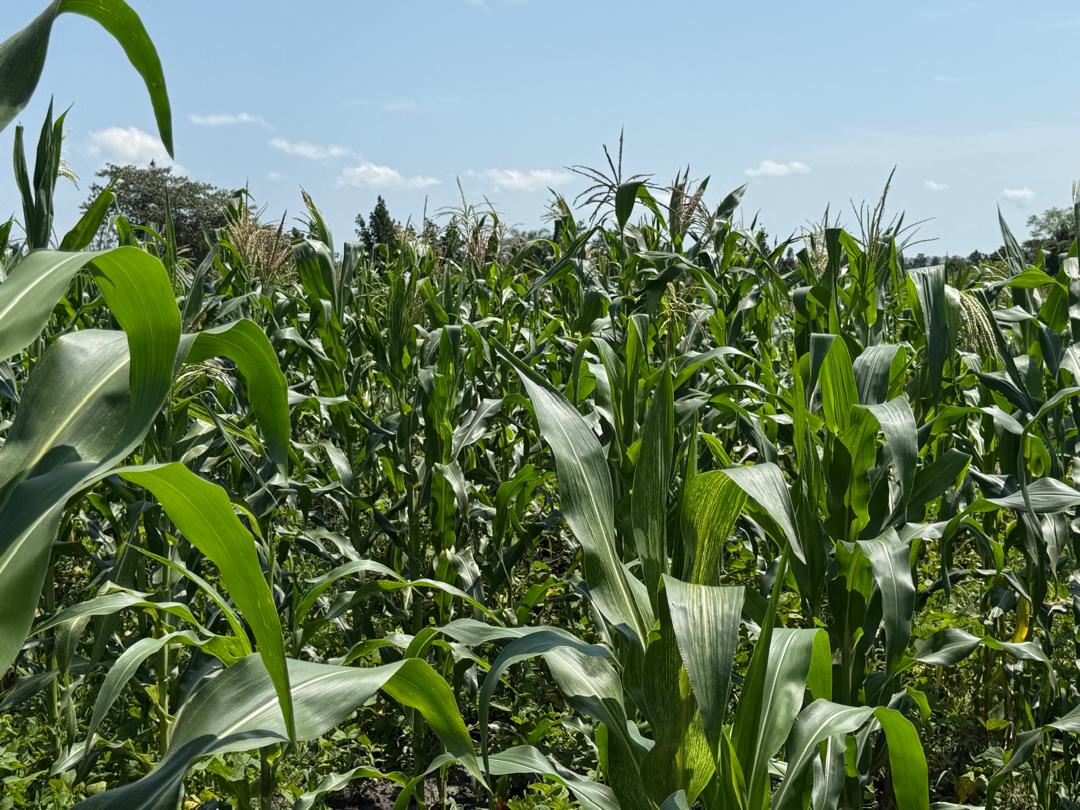
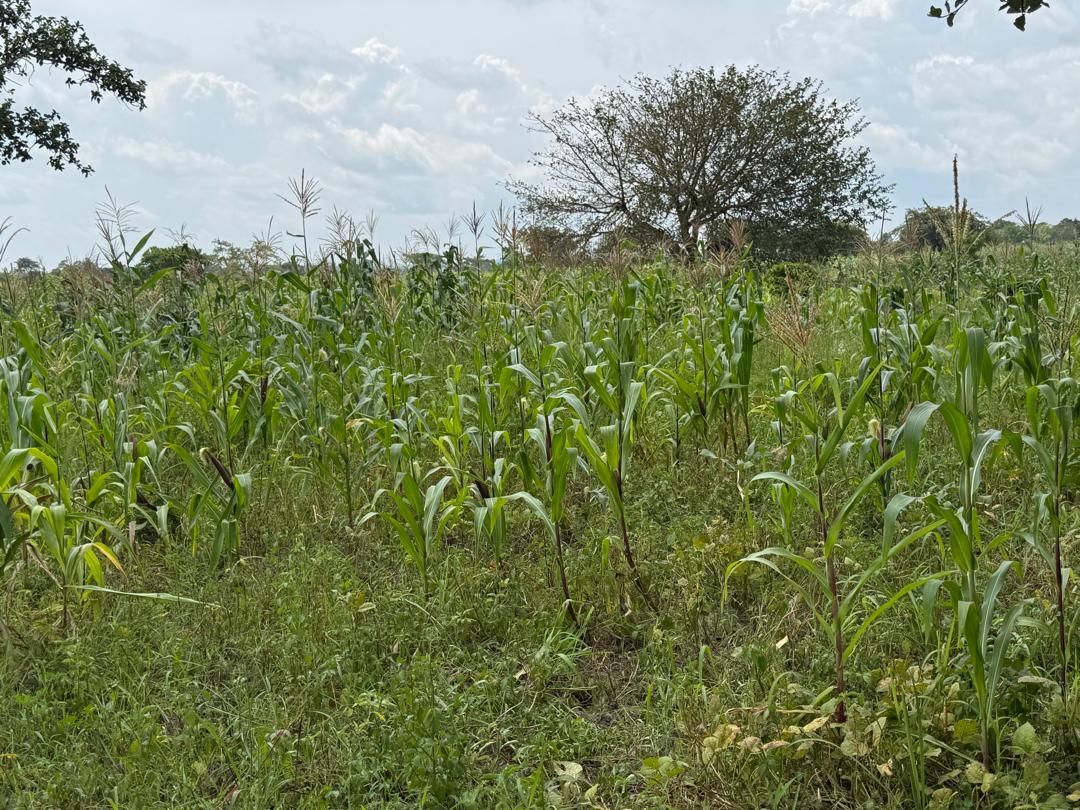
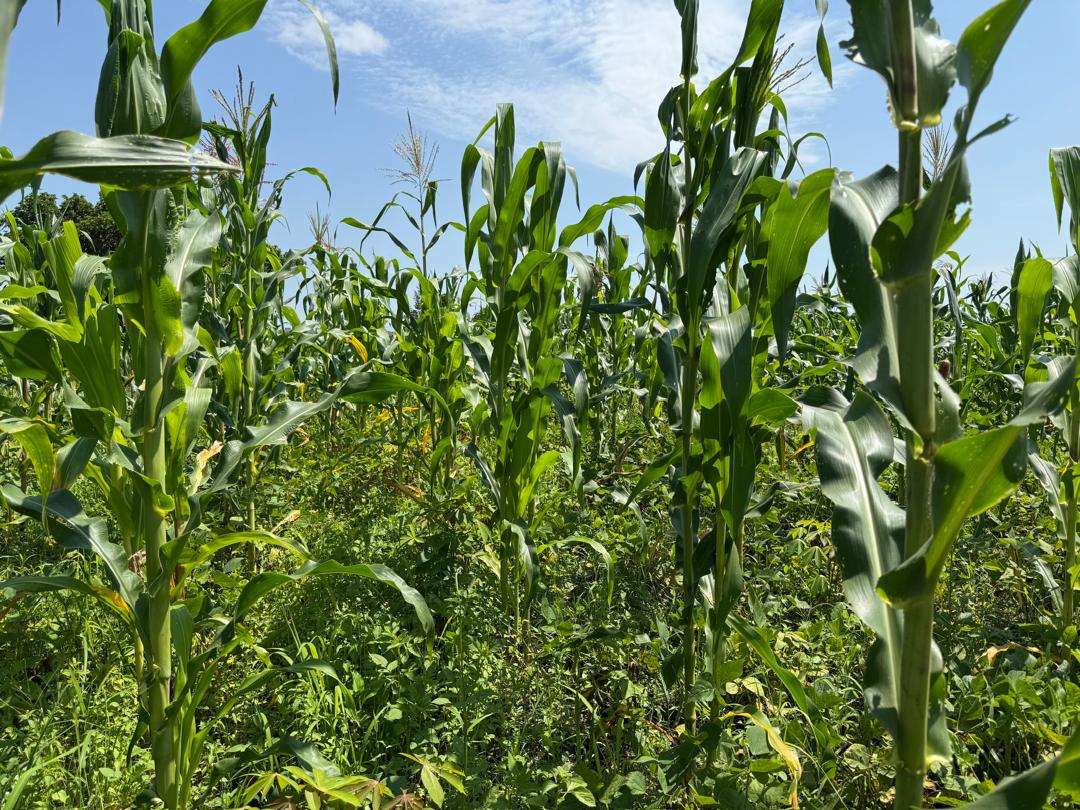
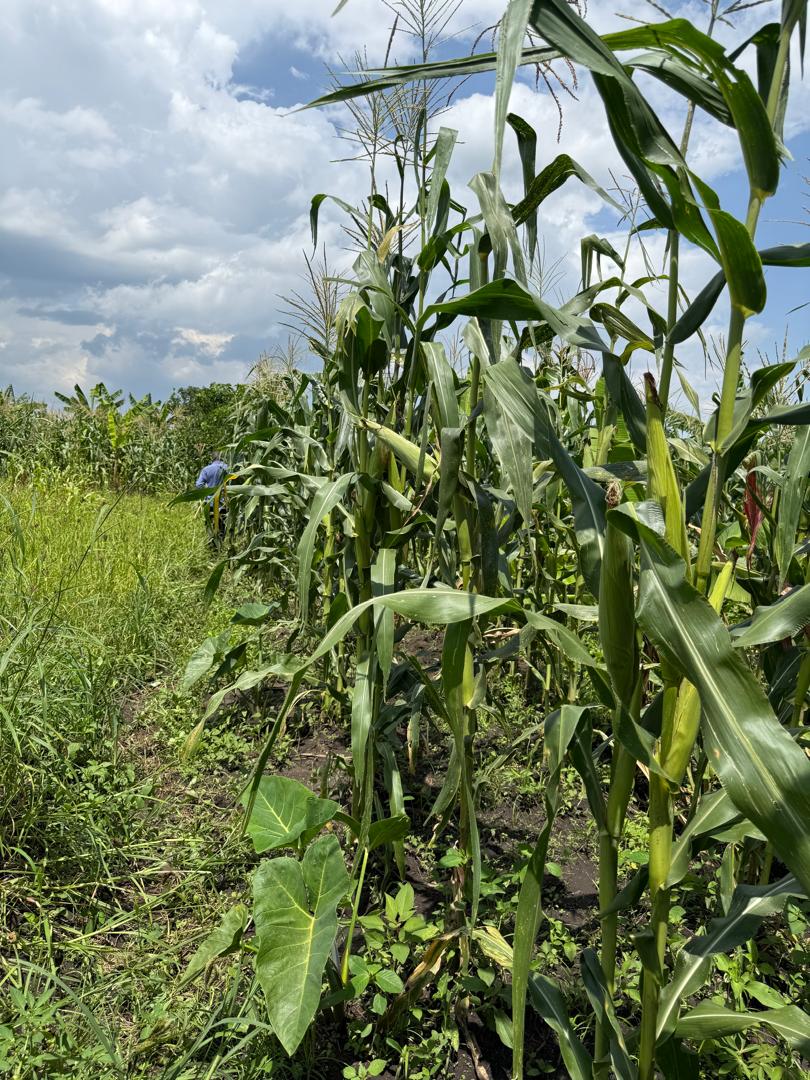
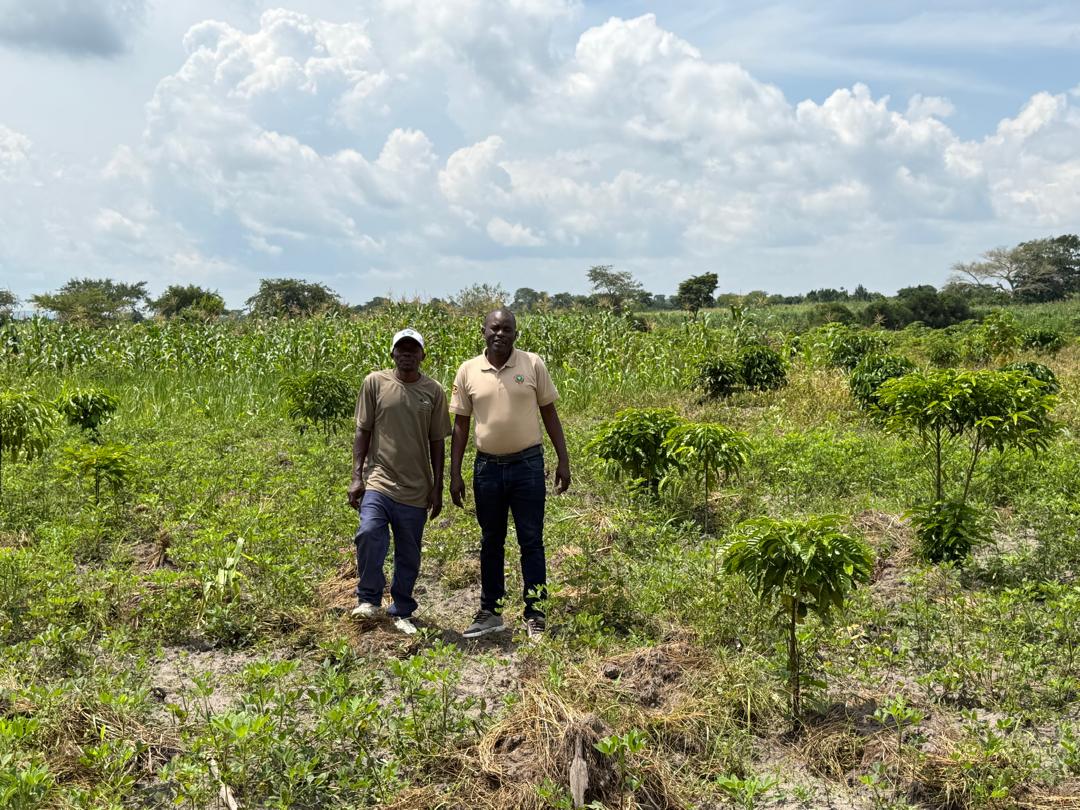
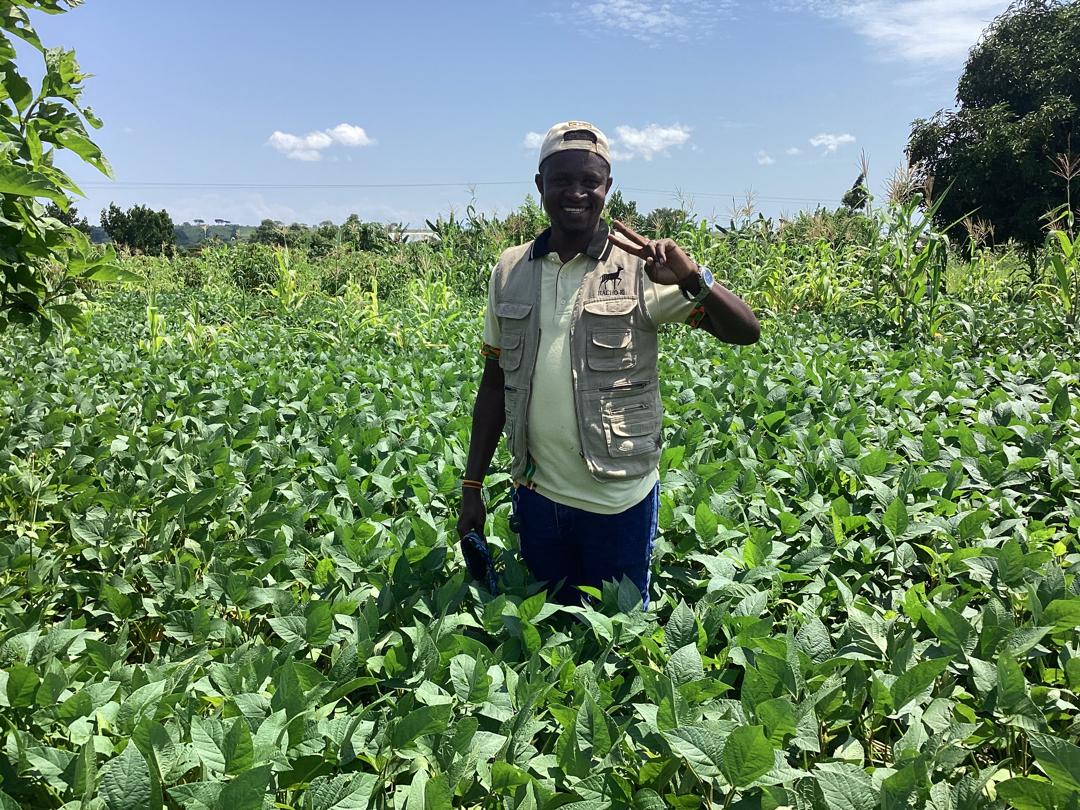
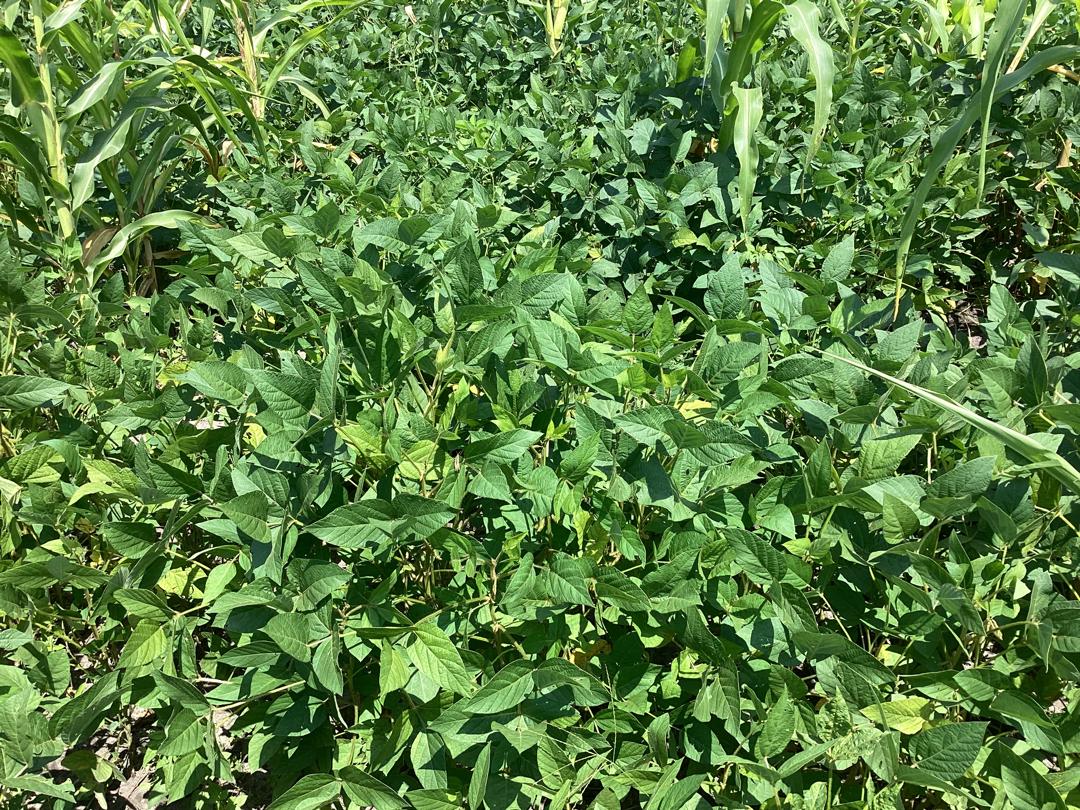
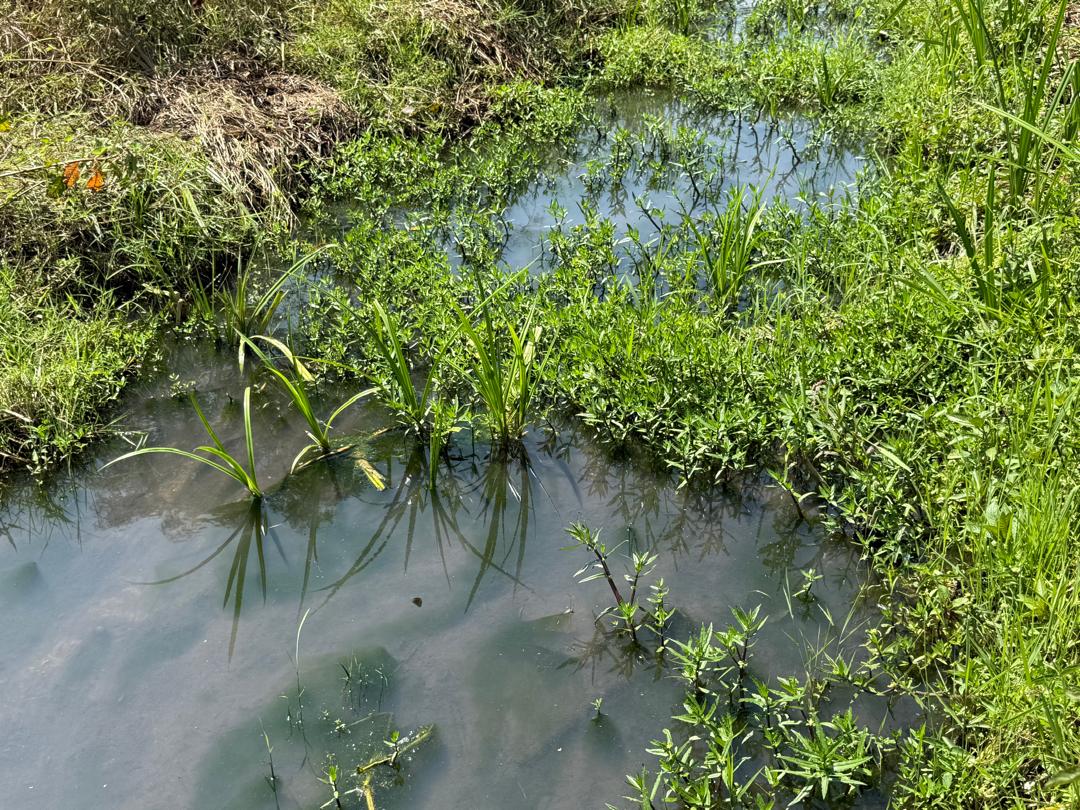
A community-owned model farm to benefit the people of Rwenshama, Lake Edward, Kanungu District, Uganda and other vulnerable communities.
Sahaya Wildlife Conservation Ltd (SWC) is a registered Ugandan not-for-profit organisation working on conservation, environmental protection and community livelihoods around Lake Edward and Queen Elizabeth National Park. SWC is a close partner of the USA-based 501(c)3 nonprofit organization Sahaya International (www.sahaya.org) and the Belgium-based organization Sahaya-Sawes (www.sahaya-sawes.org).
In close partnership with our other Ugandan partners, Save Wildife Uganda (www.wildlifeuganda.org) and BACHO-K (bacho.sahaya.org), we are establishing a community farm to give the people of Rwenshama and other vulnerable communities a reliable livelihood on land, ease the hunger they face, and reduce the pressure that pushes families into poaching, ultimately leading to increased community empowerment and conservation.
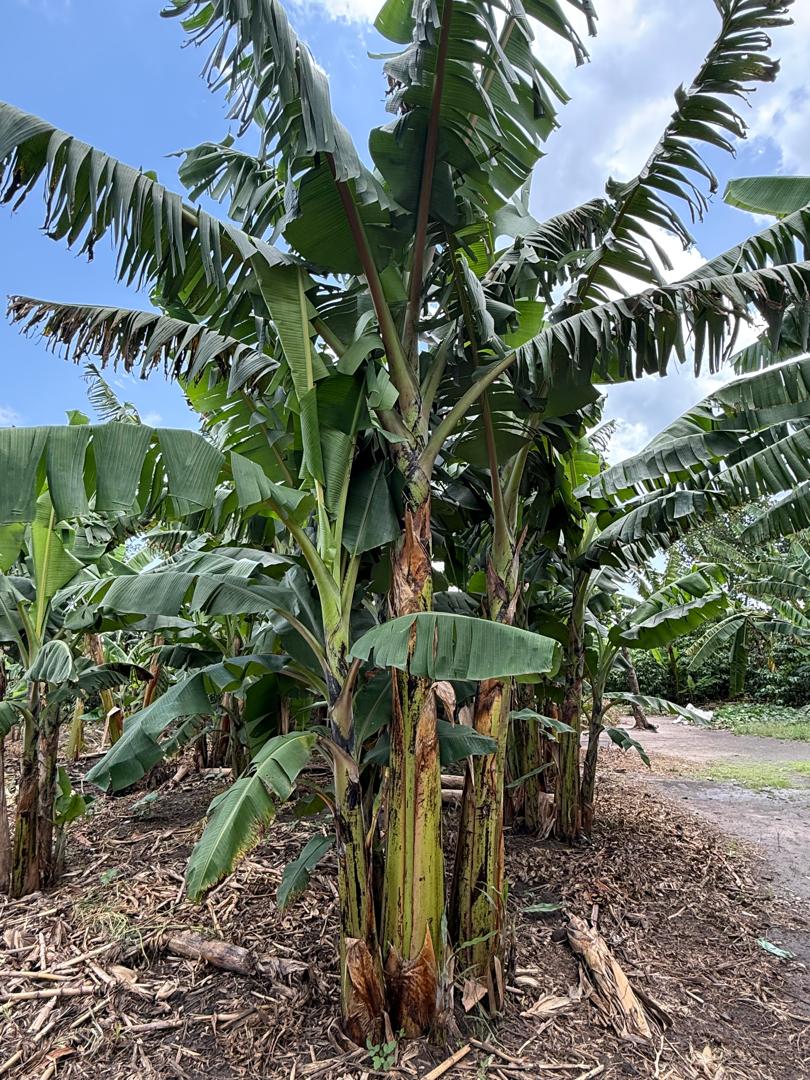
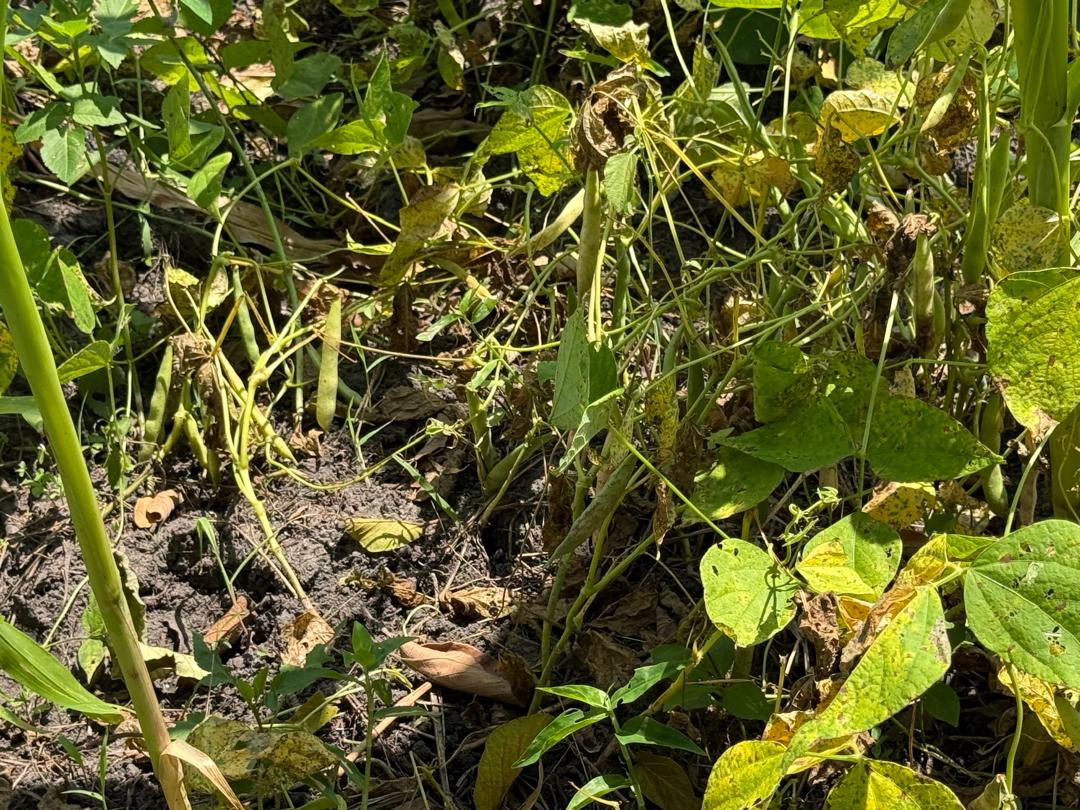
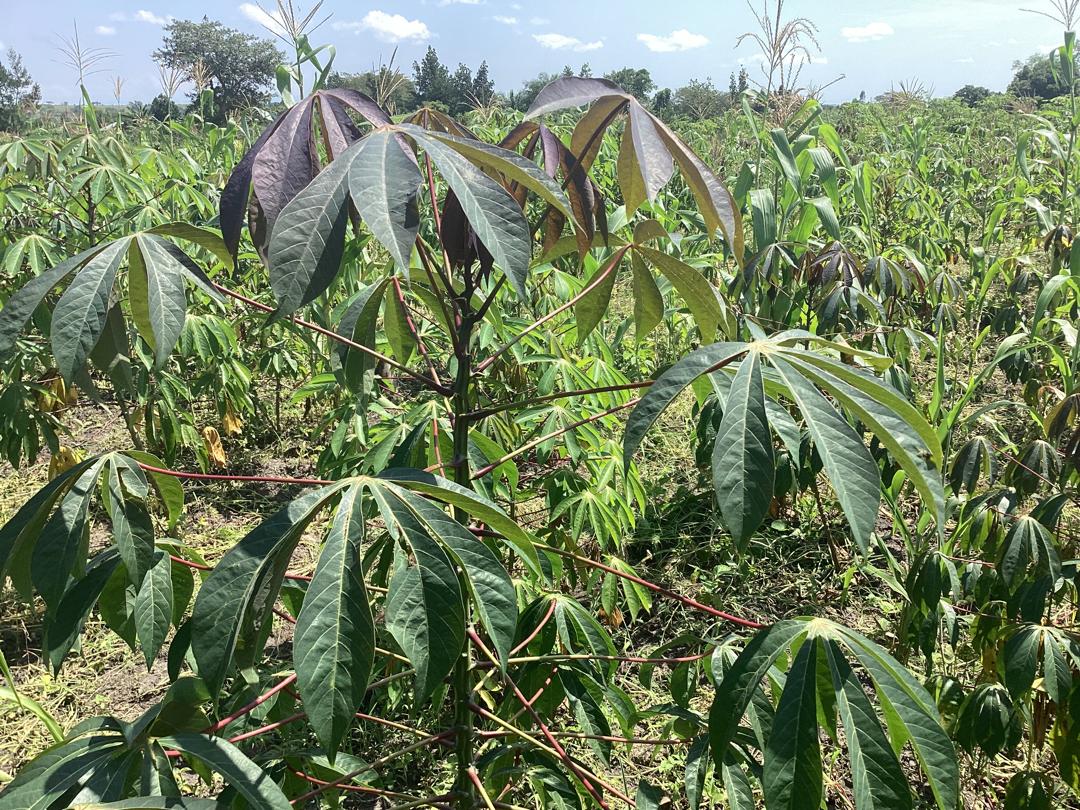
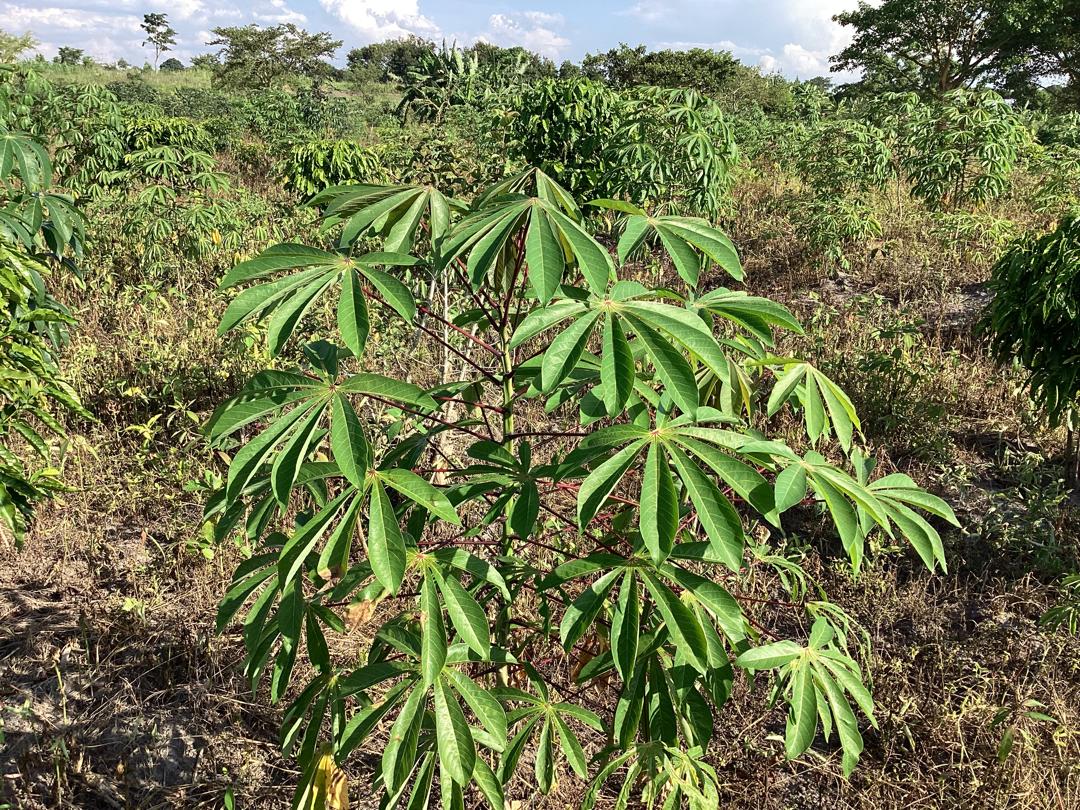
The Matanda Kameme Community Farm is in the vicinity of the Matanda Batwa farm, which is 4 acres, and which has already been used actively as a community farm to benefit local communities, including Batwa families. Our experience and success of the Matanda Batwa farm, coupled with the urgent need to have a larger farming program, is at the foundation of this
This summary sets out the project, its impact, and the funding still needed to complete it.
The Land
- The parcel is approximately 25 acres of land at Kameme Cell, Kibimbiri Parish, Kihihi Subcounty, Kanungu District.
- The total cost is ~$169,000. We were able to agree with the seller that the sale is completed in 2 phases. On May 31, 2026. a formal Land Sale and Purchase Agreement was signed, with initial installment of ~$95,000, with the remainder due within 1 year. After this initial deposit, we have full and immediate possession of the land and permission to start cultivation.

The importance of this farming program: the Rwenshama Community and their current humanitarian crisis
Rwenshama is a fishing village on the eastern shore of Lake Edward, set on the very edge of Queen Elizabeth National Park. It is home to BACHO-K, which runs many programs to assist the communities, including the care and support of many orphans and vulnerable children and youth The population is largely the Banyabutumbi people, who were resettled from inside the park to the lake shore and who have depended on the lake for survival ever since. For most families there, fishing is very nearly the only source of food and income there is.
That single dependence has become precarious. Fish stocks on Lake Edward are under growing pressure, catches are increasingly unreliable, and the work itself is dangerous — fishers share the water with hippos and crocodiles, while elephants, lions and hyenas move through the village by day and night. Households face chronic food shortages, limited clean water, poor housing and few opportunities for schooling or work. When the lake fails to provide, families have little to fall back on. Growing crops is difficult, as elephants and other wildife come to eat and destroy the crops – even pushing through wooden or brick walls! The push toward illegal fishing and poaching inside the national park grows. It is poverty and the absence of alternatives, more than anything else, that drive people into conflict with the protected wildlife around them.
Emergency: Early May 2026, the situation has taken a sudden turn for the worse. The government decided to revoke the fishing permits of 66 of the 100 fishing boats of the village. From one day to the next, many families lost their main source of income and nutrition. Approximately 181 families are considered in severe condition. Some families already decided to leave the area, hoping to find jobs elsewhere. Some adults left the area but abandoned their children at BACHO-K.
In addition to the Rwenshama community, we will engage also other vulnerable community members of our existing programs, whose livelihood is currently severely threatened due to the drastic drop in tourism (due to the war in the middle east and the Ebola outbreak in the adjacent Democratic Republic of Congo). This includes Batwa pygmy families of Bwindi Impenetrable Forest (home of mountain gorillas), and community groups of women and reformed poachers of the Save Wildlife Uganda programs .
The Farm Project and its impact
The community farm is designed to break that cycle by giving the community members a second, dependable livelihood on land — one that does not rely on a single shrinking resource and does not put people in harm’s way. It will deliver lasting benefits on several fronts:
- Reducing poaching and illegal fishing — by providing a steady source of food and income away from the lake and the park, the farm removes much of the economic pressure that pushes families toward poaching and illegal harvesting, supporting peaceful co-existence with Queen Elizabeth National Park, Bwindi Impenetrable Forest, and its wildlife.
- Alleviating hunger — the farm will grow food directly for the community, easing the chronic food insecurity families suffer when the catch is poor, and strengthening local nutrition and food security.
- A model and training farm — the land will serve as a demonstration site where community members are trained in good, modern and sustainable farming practices — crop husbandry, soil care, planning and harvesting — skills they can carry back to their own homes and plots.
- Community participation and ownership — the people of Rwenshama take part directly in working the land, sharing in the labour, the learning and the harvest, so the project builds real skills, local employment and a genuine sense of ownership rather than dependency.
- Lasting resilience — as families gain farming knowledge and a steadier food supply, the benefits reach well beyond the farm itself, helping build a healthier, more self-reliant and more resilient community for the long term.
- Sustainability – Once the first farming season is completed, the sale of a portion of the crops will provide the resources to continue the farming program without the need for continuous input of external funds.
How your support will help
We are seeking financial and technical support from partners – to contribute towards turning the site into a working community farm that feeds families, teaches better farming, and gives families a real alternative to poaching.
Technical assistance & expertise: we welcome partnerships with individuals and organizations (including academic institutions)
Financial support:
- Land purchase price: ~$169,00 (UGX 625,000). We have currently already raised $20,000.
- Start-up funds for cultivation. As mentioned earlier, after the payment of the first installment, we have permission to start using the land for farming. But we need funds to get this started. Here are our budget estimates. Contact us (e-mail [email protected]) to see more detailed budgets.
- 23 acres for beans (10 acres) and corn (13 acres): gross expenses: TBD; gross income: TBD; net income: TBD
- 2 acres for crop rotation with cabbage/onion/tomatoes: gross expenses: ~ $17,516; gross income: ~$50,000; net income ~$32,483
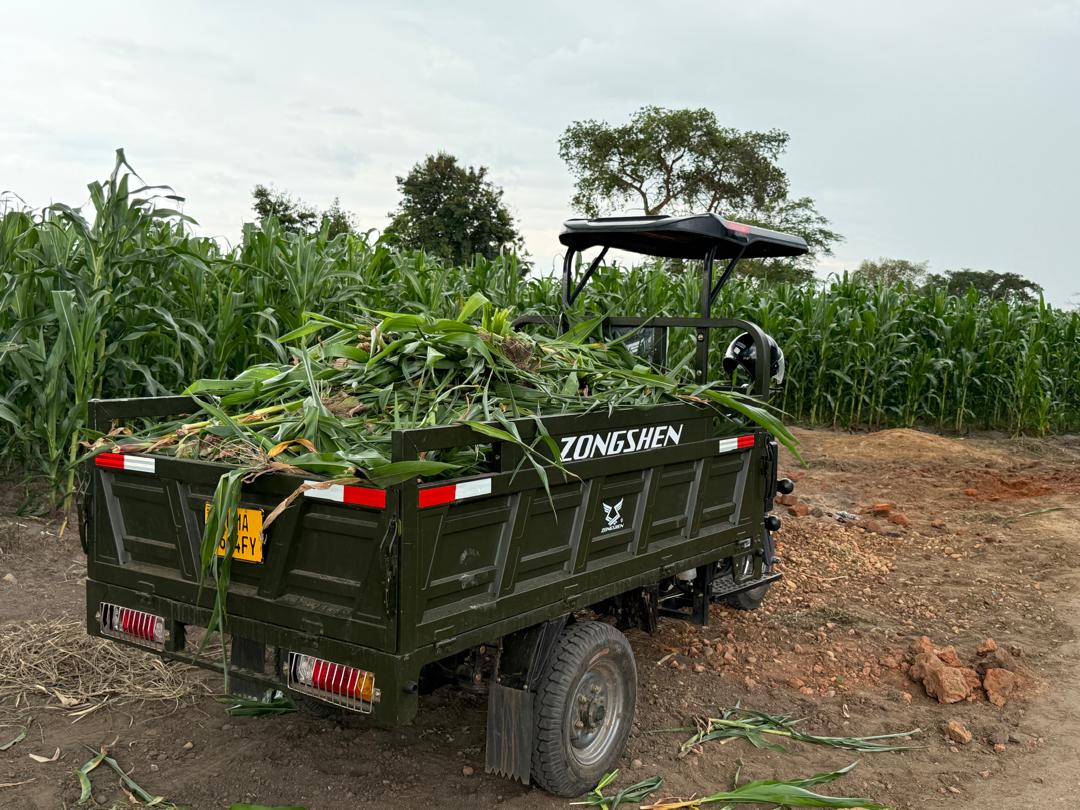
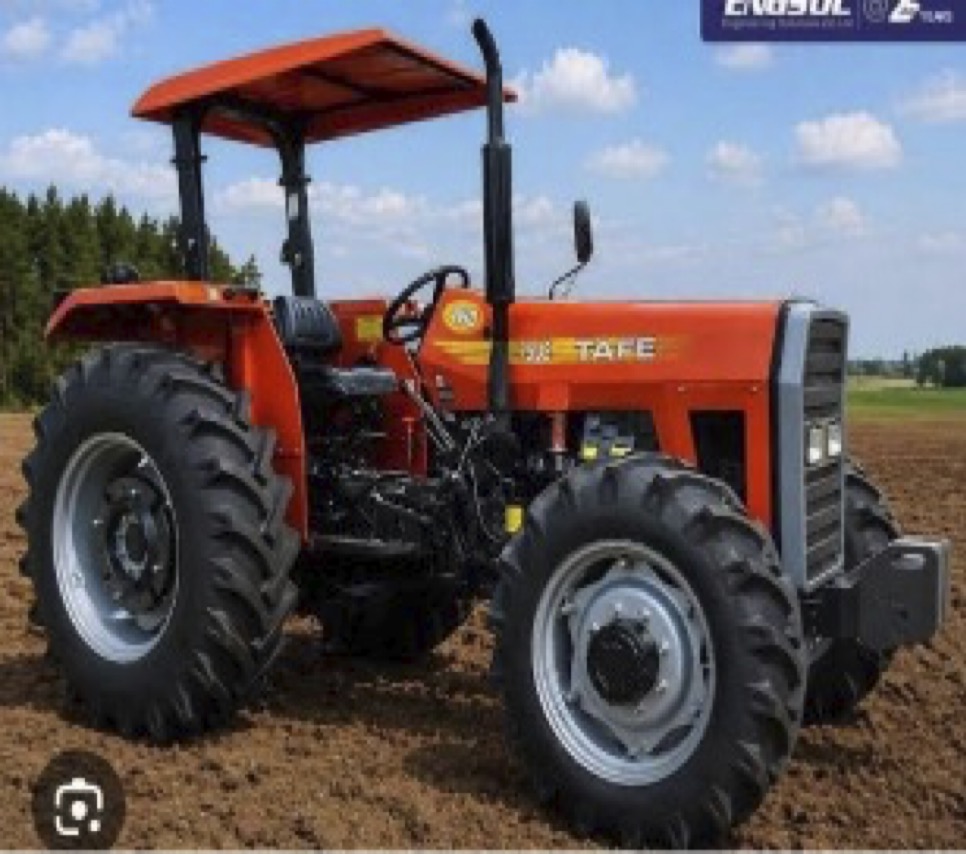
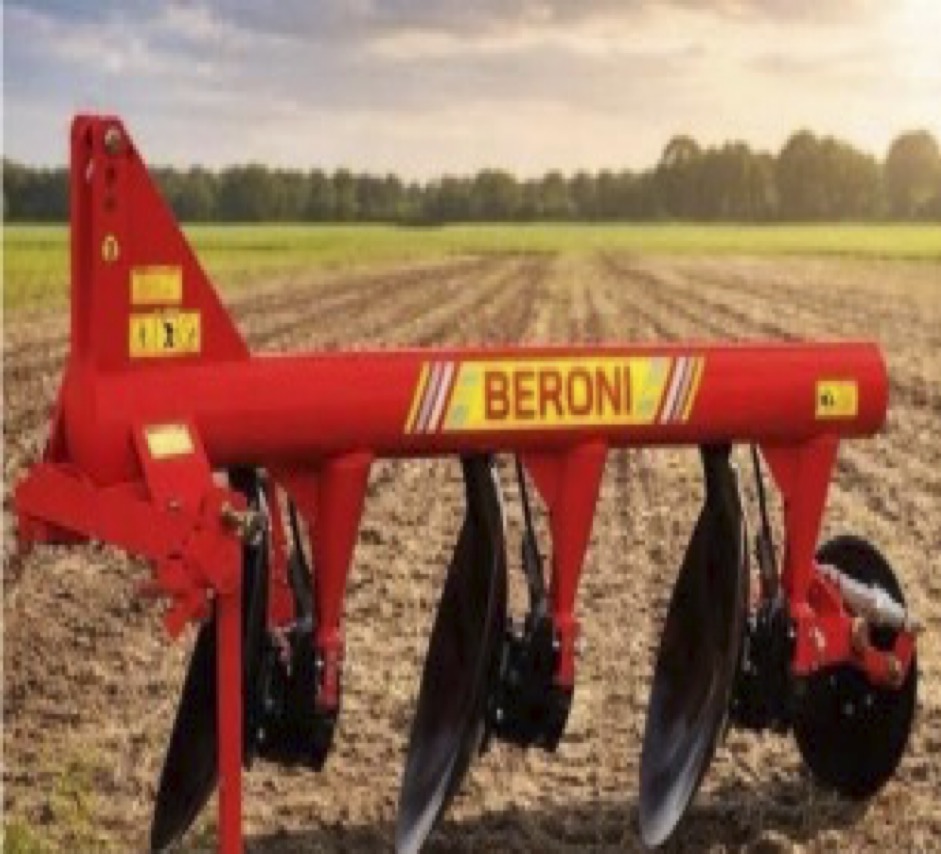
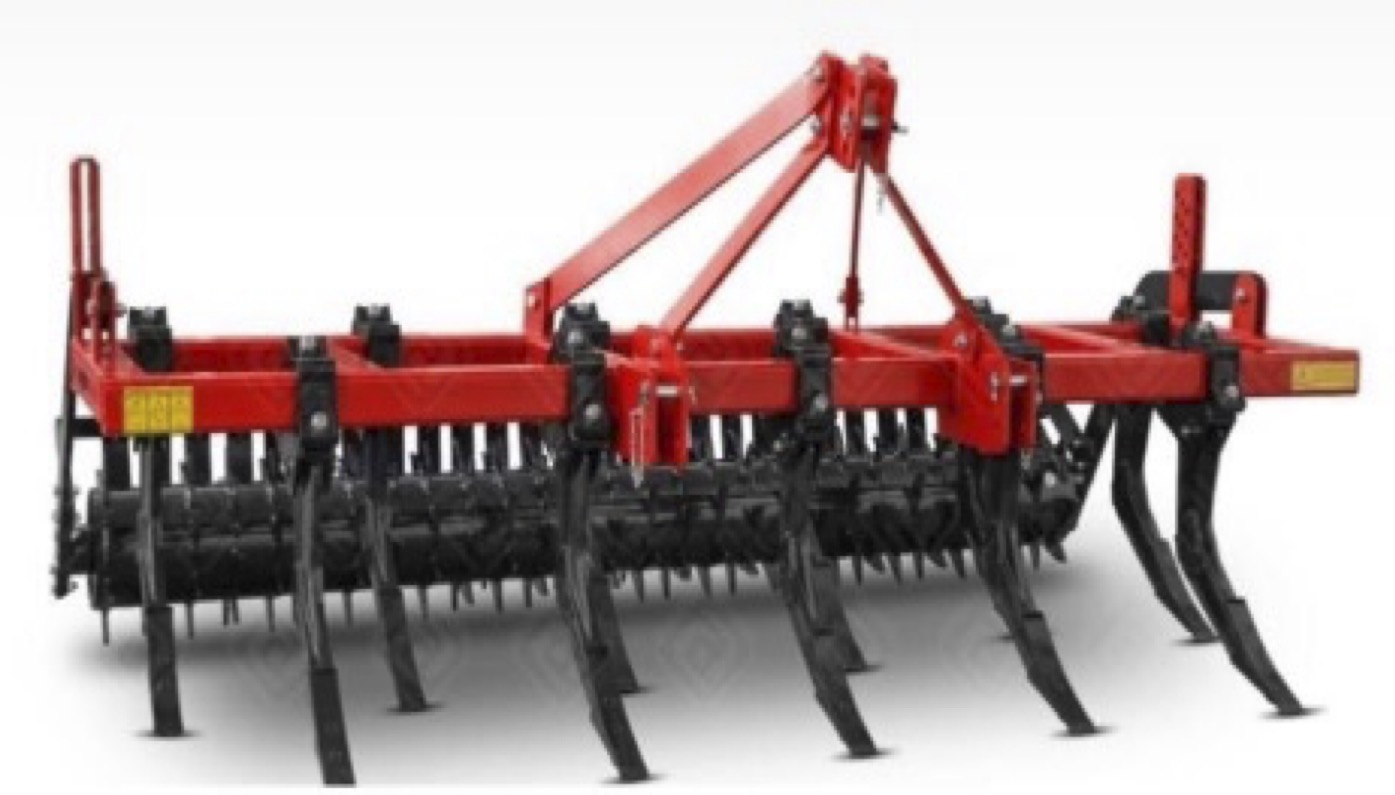
- Purchase of equipment: in the long-run, instead of renting them each time they are needed, these items will be very valuable. The prices are estimates.
- Three-wheeler small truck: ~$3,750
- Tractor: ~$42,000
- Ploughing disc: ~$7,000
- Corn planter: ~$15,000
Tax-deductible donations can be made in the USA via Sahaya International, and in Belgium via Sahaya-Sawes vzw. Do not hesitate to reach out to Sahaya founder Dr. Koen Van Rompay at [email protected].
Thank you in advance for your support.
Click on individual pictures to see enlarged versions