The problems:
- Mountain gorillas are on the brink of extinction with around 1,000 animals left in the wild. Bwindi Impenetrable National Park is one of the few protected habitats for mountain gorilla populations. Fortunately, conservation efforts have been helping to protect them from poaching and deforestation, but they continue to need help to survive and thrive.
- The Batwa people are forest pygmees, and the original inhabitants of these forest areas. In 1991, when the forests were transformed into a national park, they were evicted and have been living on the edge of society, struggling to survive and maintain their culture.
- Communities in and around Bwindi benefit directly and indirectly from gorilla tourism, but receive only a small fraction of the money that is spent by tourists. The local communities make extreme efforts to survive but the temptation for poaching and deforestation remains.
- Some small initiatives have been set up, but they can benefit from capacity-building (incl. marketing, business planning).
Our goals are based on 3 concepts:
Conserve
- Thanks to financial support provided by Sahaya International, we previously purchasd a hillside farm plot adjacent to the National Park and has constructed the Sahaya Guesthouse to host volunteers, donors, researchers, and tourists.
- We have been purchasing additional farmland that is curently undergoing reforestation.
- The reforestation area is having regular visits by gorilla families..
Empower
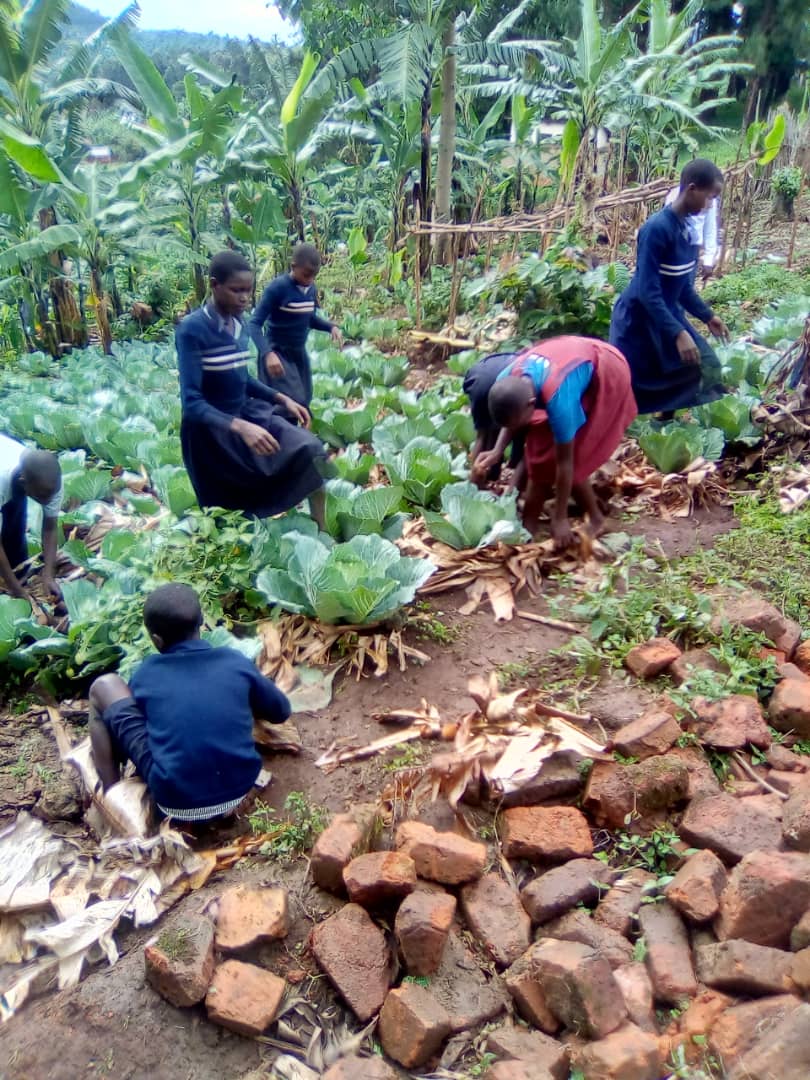
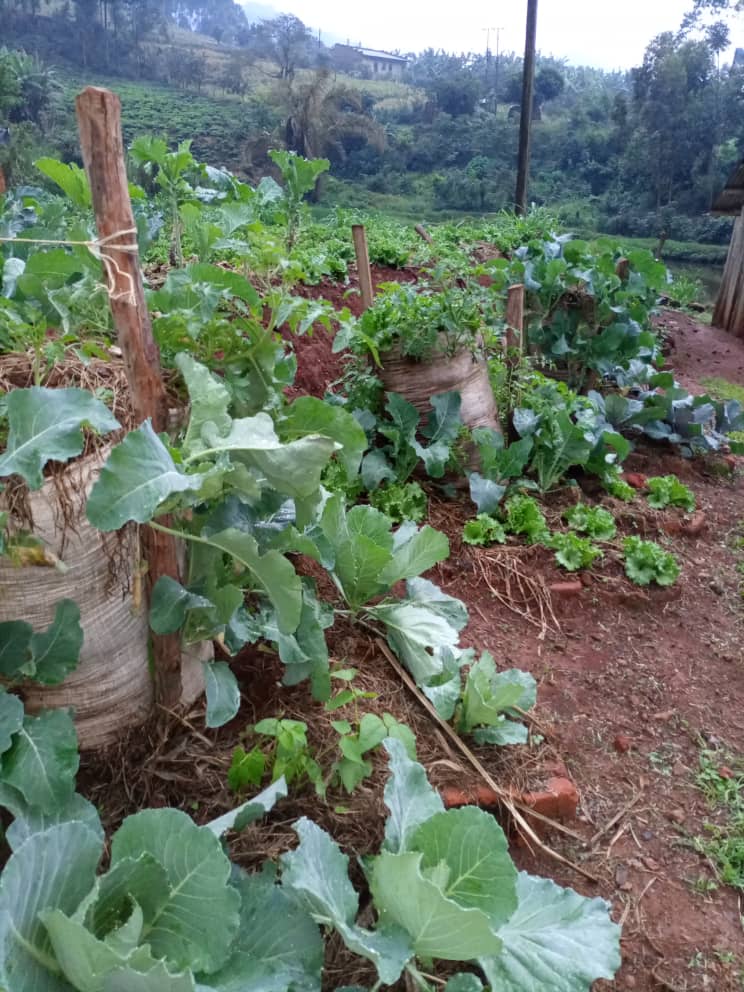
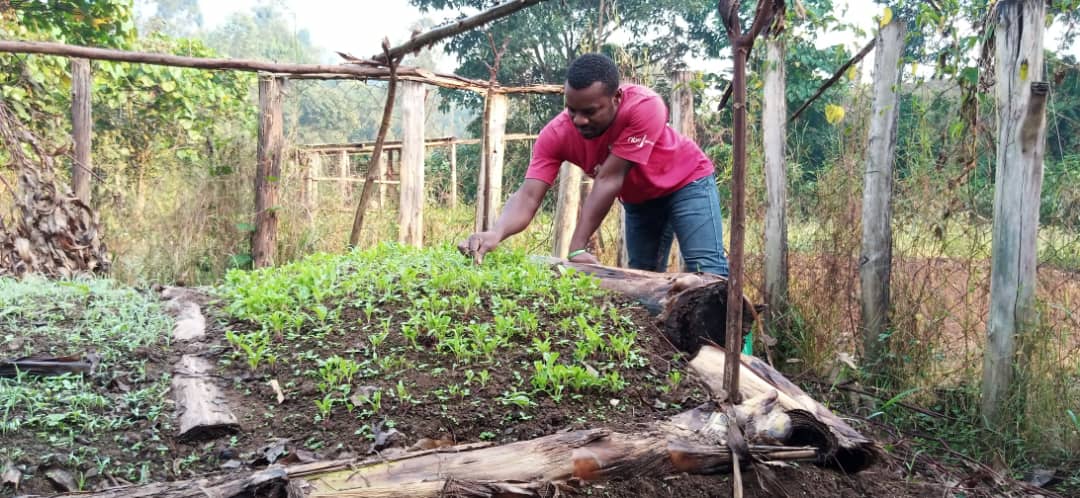
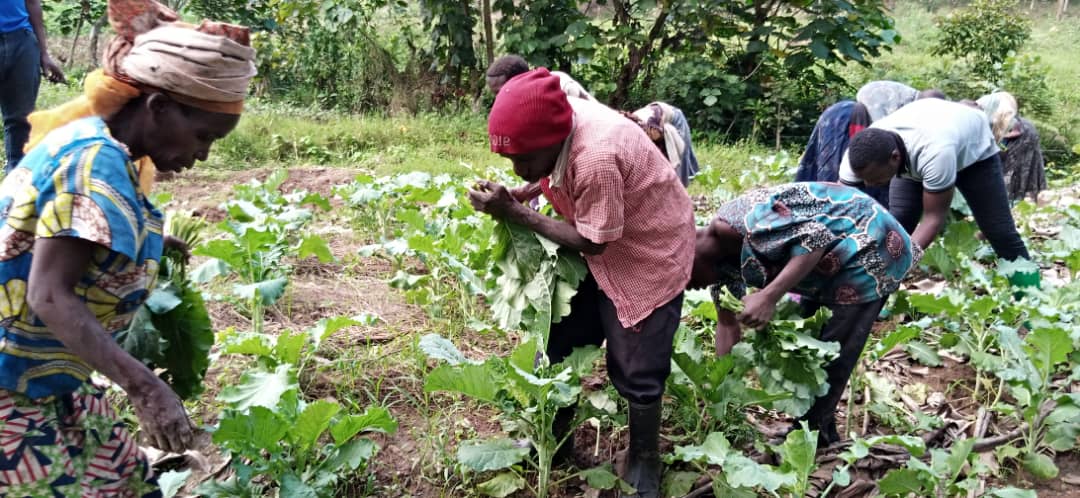
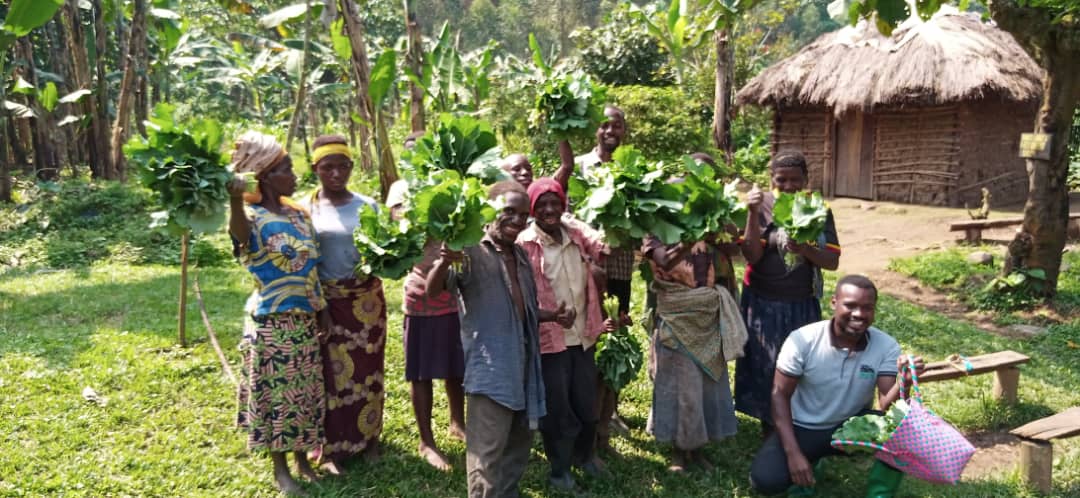
- We have 2 farming projects to train and empower the local communities: the Matanda Batwa farm, and more recently, the Matanda Kameme farm.
- A special target group for our activities are the Batwa pygmies. Click here to learn more about Batwa.
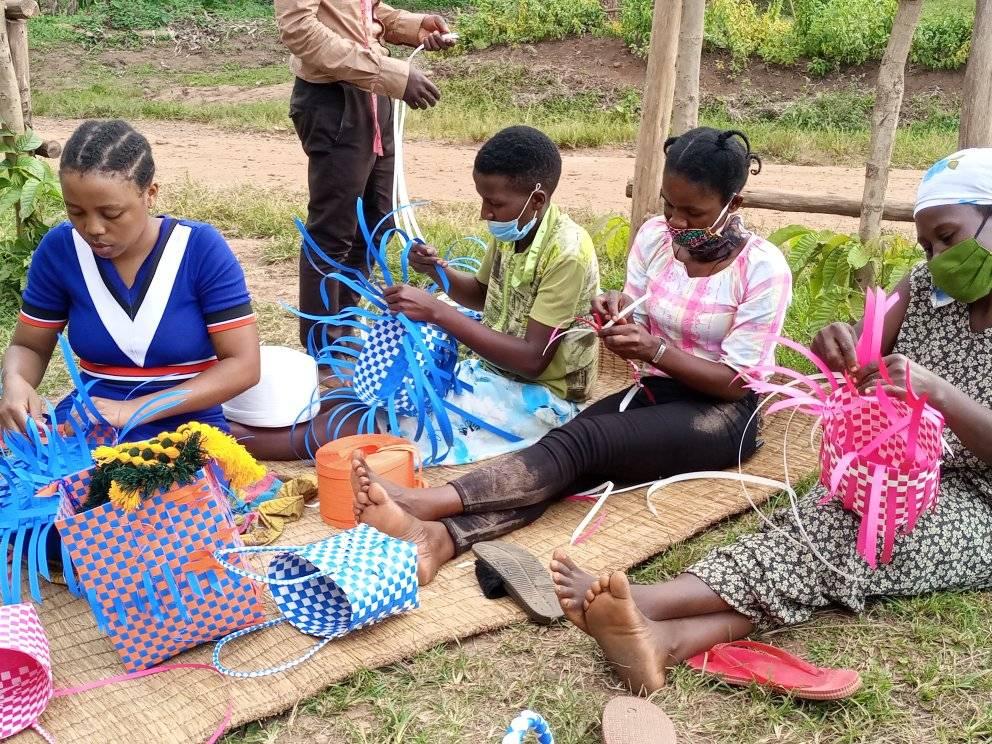
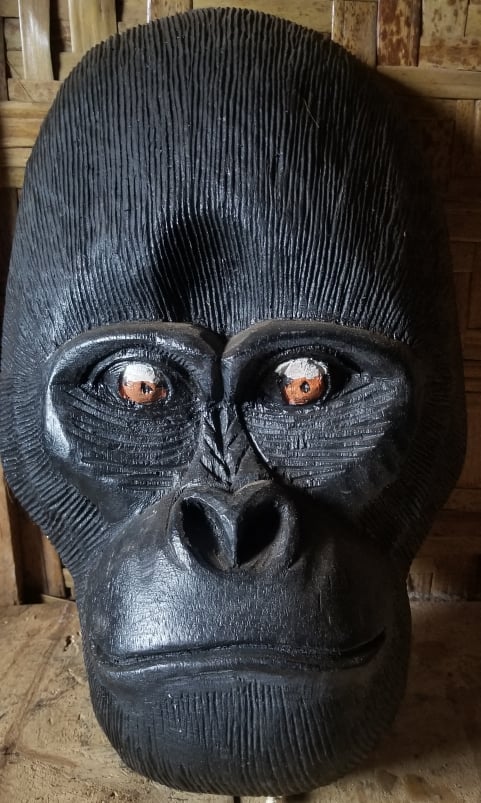
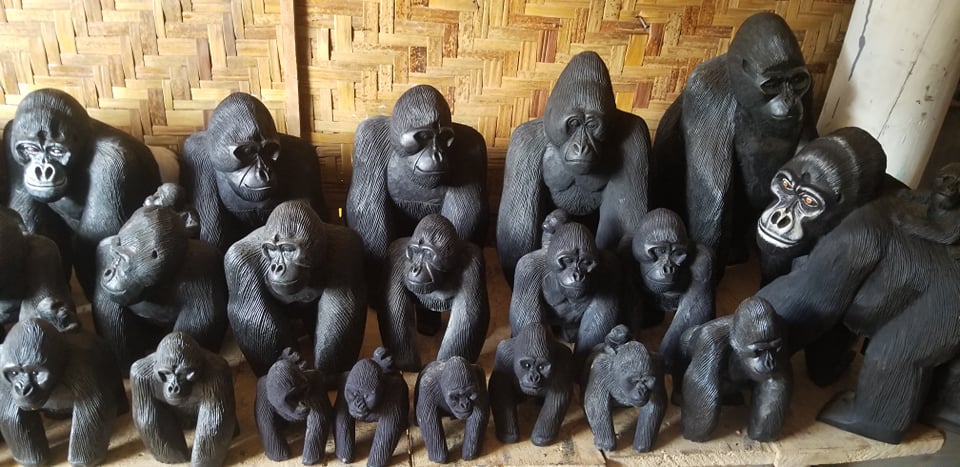
- We support also groups that create handicrafts, such as Mothers in Motion, and the Bwindi Local Woodcarvers Association
- We have trained local communities on the construction of affordable and energy-efficient Rocket Lorena stoves to reduce deforestation (in collaboration with Belgian student organization Humasol and Sahaya International).
- PICC’s professional film team plans to make a documentary highlighting our efforts to transform his community’s livelihoods and their relationship with the local biodiversity
Educate
- We partner with PICC, Save Wildlife Uganda and BACHO for sessions in photography, sketching and storytelling to educate and engage the Batwa, Buhoma and Rwenshama communities in order to support conservation and provide conservation-based jobs.
- A book will be published of student art and storytelling, focused on gorilla conservation. Published in Uganda, it will be sold to tourists, with proceeds supporting conservation education.
Our approach: Partnership, Transparency and Sustainability
- Instead of reinventing the wheel, we believe the most efficient way to make progress is by supporting and partnering with community leaders and other grassroots organizations that are already doing good work, but are struggling to find the resources to do their work. Wherever we see gaps, we try our best to fill them in. Click here for a list of some of our partner organizations.
- We value your support, as we know that just like us, you donate to help those in need. Therefore, we want to make sure that your contribution is used properly, by working with local people and organizations that we can trust, using accountability and transparency.
- In all our efforts, we aim at finding sustainable solutions, by empowering local communities to solve their own problems.
Art program:
To learn more about our art programs that empower youth, click here.
Activities of our partner organizations:
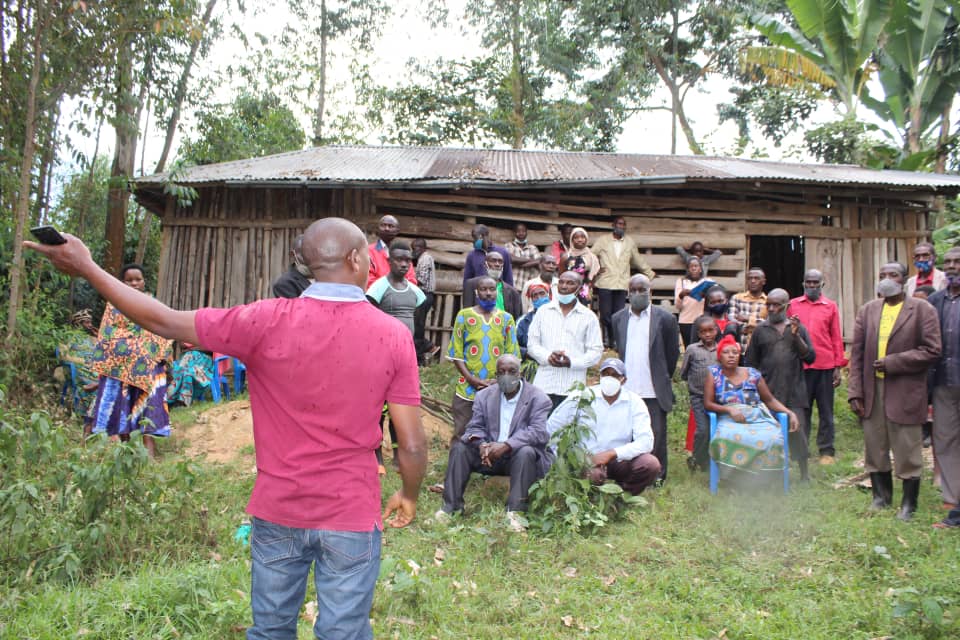
Below are some pictures of some of the past activities of our partner organizations (click here to learn more about the partner organizations). Click on a picture to see an enlarged version.
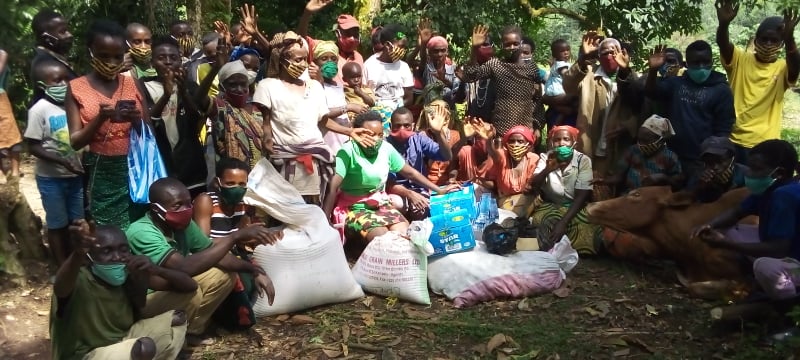
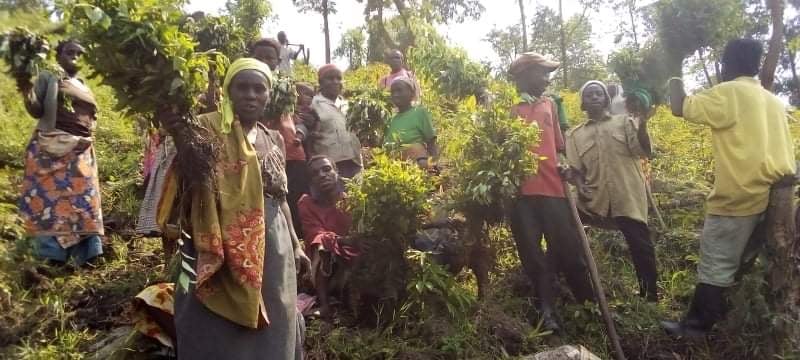
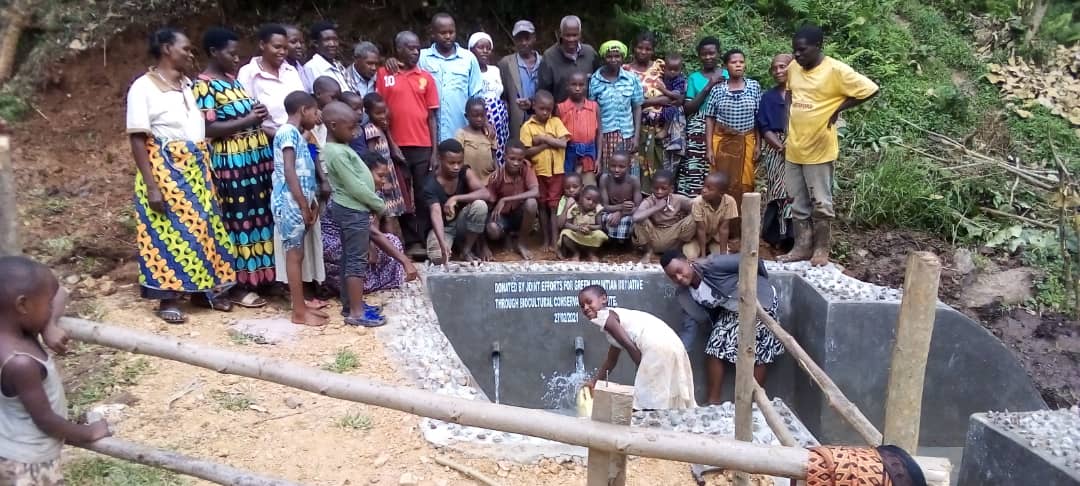
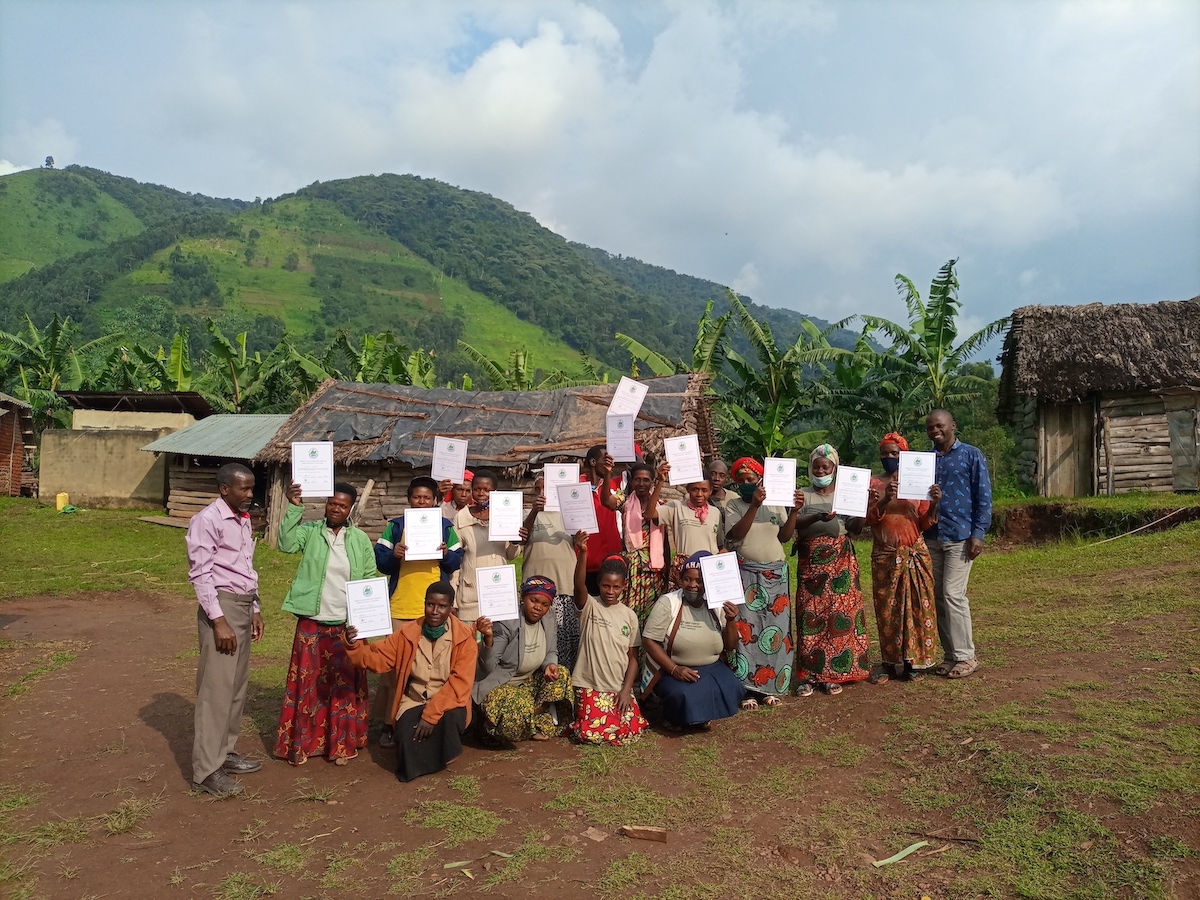
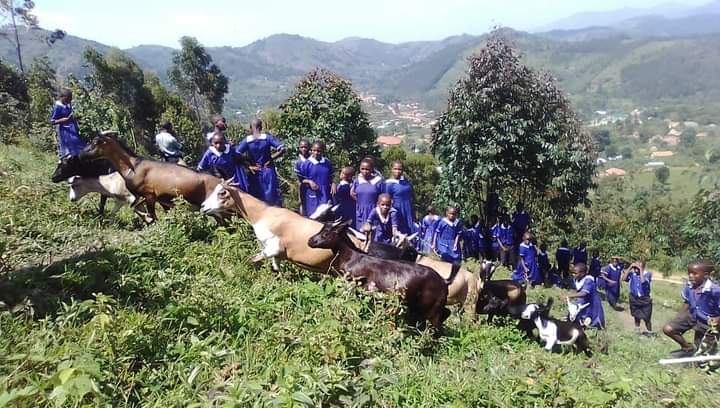
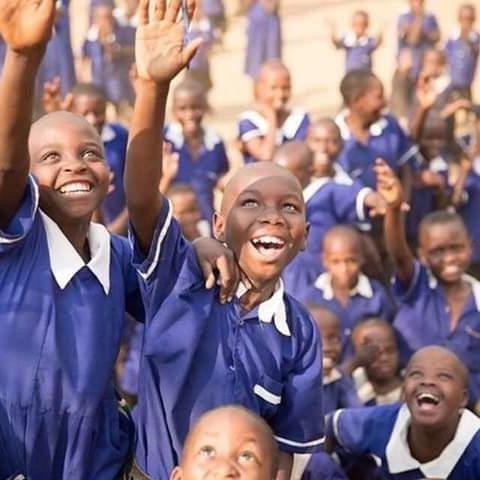
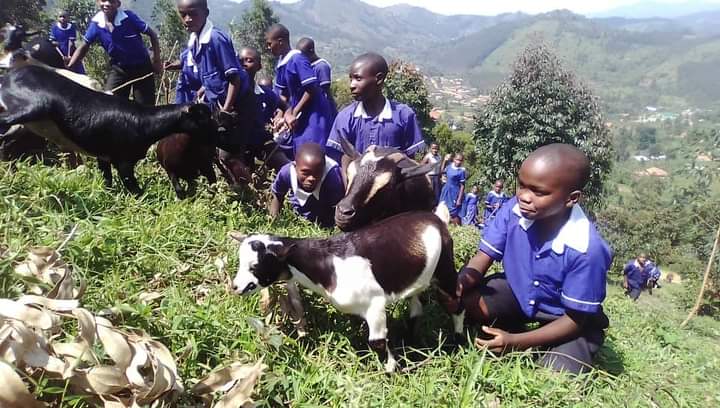
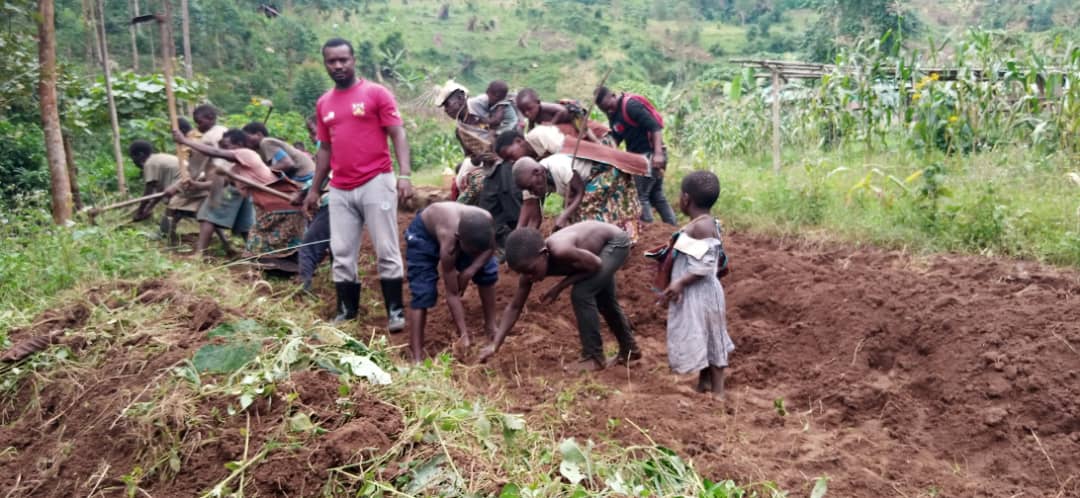
This drama to raise awareness and educate is performed by Bwindi Buhoma United Reformed Poachers Initiative (BBURPI). This tells the story of Rafiki, a gentle Silverback, who was accidentally killed by poachers who had entered the forest to hunt for small wildlife and incidentally crossed paths with Rafiki, and killed him out of fear for their own lives. We work on reforming poachers into conservationists. To support this work, go to our donation page.
Together we can empower communities with other income-generating activities and reduce poaching.